Pre-Season Gutter Checks Every Perth Homeowner Needs to Get Their Roof Ready for Winter.
By Edwin
While Perth is famous for its scorching summers, locals know that our winters can be surprisingly harsh. When the cold fronts roll in off the Indian Ocean, they bring intense bursts of rain and high winds that test the integrity of every home.
Being roof ready means preparing for potential issues ahead of time.
Make sure your home is roof ready to avoid any unpleasant surprises when winter arrives.
The most vulnerable part of your home’s defence system during these months is not the roof tiles themselves, but the drainage system attached to them. If your gutters fail during a classic Perth downpour, the water doesn’t just disappear, it finds its way into eaves, ceilings, and . . . foundations.
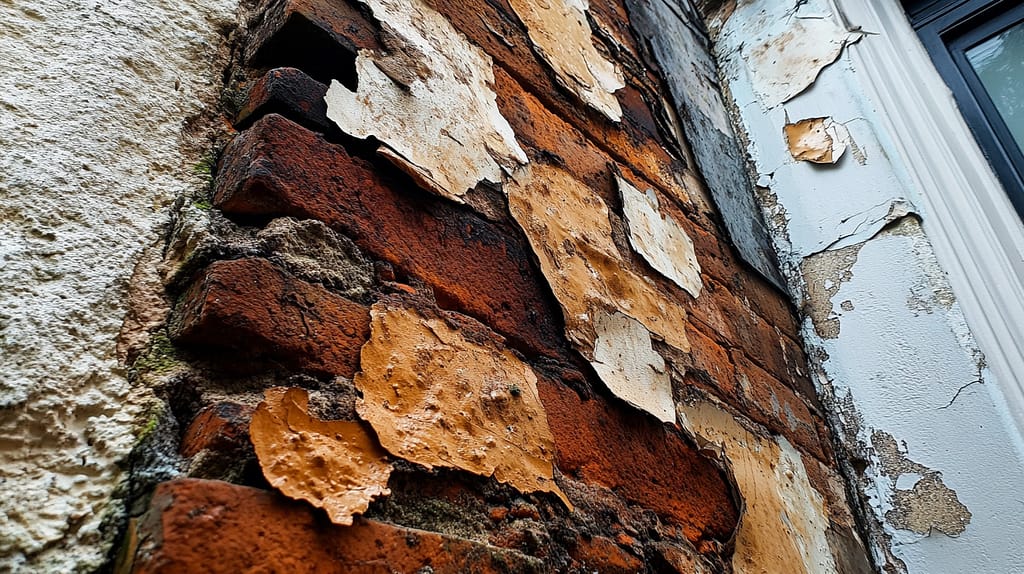
Getting your roof ready for winter isn’t just about cleaning; it is about inspection and structural integrity. You need to know exactly how to audit your guttering system before the first major storm hits, and why spotting a small leak often signals a much larger problem.
The “Perth Winter” Stress Test
Unlike tropical climates that receive daily rain, Perth often experiences dry spells followed by deluge. This “shock” to the system is where failures happen. Dried-out debris forms solid dams, and brittle seals snap under the sudden weight of water. You have to keep the water moving.
- Your roof ready checklist should include inspecting gutters and downpipes regularly.
- Ensuring your roof is ready for winter involves understanding the unique Perth climate challenges we face.
- A complete roof ready audit will help prevent costly damage later.
- To ensure your home is ready, you need to perform a systematic check.
- Ensure your gutters are roof ready to handle winter storms effectively.
1. The Debris Audit
Beyond just “leaves”
Most homeowners assume gutter cleaning is just about removing eucalyptus leaves. However, in Perth, the real enemy is often sand and fine dust. Over the long, dry summer, wind blows fine sediment into your gutters. When the first light rains arrive, this mixes with organic matter to form a heavy, cement-like sludge at the bottom of the trough.
“Roof Ready” Action Plan:
- Check the corners: Sludge accumulates heavily in mitred corners.
- Flush, don’t just scoop: After removing large debris, use a hose to flush the system. If the water pools rather than flows, you have a gradient issue or a blockage in the downpipe.
- Inspect the valleys: The metal valleys on your roof direct massive amounts of water into specific gutter sections. Ensure these are clear, as a blocked valley will flood your ceiling cavity instantly.
2. Inspecting for “Invisible” Corrosion
Rust is the silent killer of steel gutters. In coastal suburbs (from Cottesloe to Joondalup) salt air accelerates this process. Often, the rust eats through the bottom of the gutter while the painted exterior looks perfectly fine.
- Look for bubbling paint: If the paint on the underside of your gutter is bubbling or flaking, it means water is getting between the metal and the coating. This is a sign of advanced corrosion. Roof ready? No.
- The screwdriver test: Gently poke areas that look discoloured with a screwdriver. If it pushes through or the metal feels soft, the structural integrity is gone.
3. Checking Downpipe Adhesion
During a storm, your downpipes carry the entire weight of the water exiting your roof. If the brackets (clips) attaching them to the wall are loose, the vibration from heavy water flow can rip them away.
- Wiggle the pipe: Give your downpipes a gentle shake. They should be rigid against the wall.
- Check the nozzle: The connection where the gutter meets the downpipe (the nozzle or “pop”) is a common failure point. Look for daylight or gaps around this connection.
The Danger of “Patchwork” Repairs
One of the most common scenarios we encounter at Cheap Gutters Perth is the homeowner who calls to replace a single leaking corner or one rusted downpipe. While this seems cost-effective in the short term, it is often a false economy.
The “Same Age” Principle
Gutters are installed as a complete system. If the section of guttering above your patio has rusted through, it is a statistical certainty that the section above your bedroom is not far behind. They were installed on the same day, using the same materials, and have been exposed to the same weather conditions for 20+ years.
When you replace only one section, you create a “Frankenstein” system. The new steel is strong and rigid, while the old steel connected to it is brittle and weak. The process of joining new to old often disturbs the existing seals, causing leaks at the join within months.
The Cost of Mobilisation
Is your home roof ready? Or maybe you need a complete roof restoration? A small investment today can save you big in the future.
A significant portion of the cost in trade work is “mobilisation”—getting the team, the scaffolding, and the materials to the site.
When preparing for winter, make sure your roof ready checklist is complete.
Remember, a roof ready home will protect your family from the elements. Don’t wait until it’s too late; make sure your roof ready strategy is in place.
- Scenario A: You pay for a repair visit in May. Then another repair in August. Then a full replacement next year. You have paid for three call-outs and three setups.
- Scenario B: You replace the full perimeter at once. You pay one setup fee, receive a bulk rate on materials, and get a uniform warranty covering the entire house.
If you identify failure in more than 10% of your guttering, it is almost always more prudent to perform a full system overhaul. This ensures proper gradients are set around the entire house and eliminates the risk of mismatched profiles or colours.
The Consequences of Ignoring Winter Prep
What happens if you skip the inspection? The consequences of gutter failure are rarely limited to the gutters themselves. Water is destructive, and gravity ensures it goes where you least want it.
1. Ceiling Collapse
When gutters overflow, the water frequently runs back up under the eaves (soffits). From there, it pools on your Gyprock ceiling. Insulation absorbs this water like a sponge, becoming incredibly heavy. Eventually, the ceiling cannot support the weight and collapses.
- Real-world context: In 2021, the SES in WA responded to hundreds of calls regarding ceiling collapses during winter storms, many caused by blocked or failing box gutters.
2. Foundation Erosion
If downpipes are blocked or disconnected, water dumps directly at the base of your home. In Perth’s sandy soil, this can wash away the footing support, leading to slab heave or cracking walls.
3. Electrical Fires
Water entering the roof cavity is a major hazard for electrical wiring. Water dripping onto downlights or junction boxes can cause short circuits and, in worst-case scenarios, house fires.
4. Mould and Health Issues
Slow leaks inside wall cavities create the perfect environment for black mould. This can go undetected for months until residents start experiencing respiratory issues. By the time the mould is visible on the interior plaster, the remediation bill is often in the thousands.
When to Call the Professionals
While cleaning leaves is a DIY job for many, assessing the structural lifespan of a gutter system requires a trained eye. You should call a professional if:
- You see rust stains running down the side of your house.
- You notice gaps between the gutter and the fascia board.
- Water spills over the sides of the gutter even during light-to-moderate rain.
- You are uncomfortable working at heights.
A Note on Safety
Every year, Perth hospitals treat homeowners who fell from ladders while trying to clean or fix gutters before a storm. If your roof is high, steep, or slippery, do not risk it.
Conclusion
Winter in Perth doesn’t mean you have to suffer through leaks and dampness. A proactive inspection now can save you from the stress of emergency repairs in the middle of a July storm.
Take a walk around your home today. Look up. If you see bubbling paint, rust, or sagging sections, remember: the damage you see is likely just the tip of the iceberg. Consider the age of your home and whether a full replacement might be the investment that secures your property for the next 20 years.
Need an assessment? Call Steve on 0461 434 738 to book a pre-winter inspection.
Further Reading & Resources
It’s essential to keep your home roof ready to avoid structural damage. For those interested in the impact of water damage and storm safety:
Your winter preparations should ensure that everything is roof ready for any storms.
- ABC News: Ceiling collapses and storm damage in Perth – A report on the severe consequences of water ingress during WA storms.
- Department of Fire and Emergency Services (DFES) Winter Storm Safety – Official guides on preparing your property for storm season.
- Consumer Protection WA: Storms and Roofing Scams – Why it is vital to use reputable, local tradespeople rather than door-knockers after a storm.
Staying roof ready during winter can significantly reduce the risks of damage. To maintain your home, ensure it stays roof ready throughout the winter season.
Always keep your eye on the weather and make sure you are ready for the deluge.
