A Practical, Perth-Focused Guide to Keep Your Home Protected
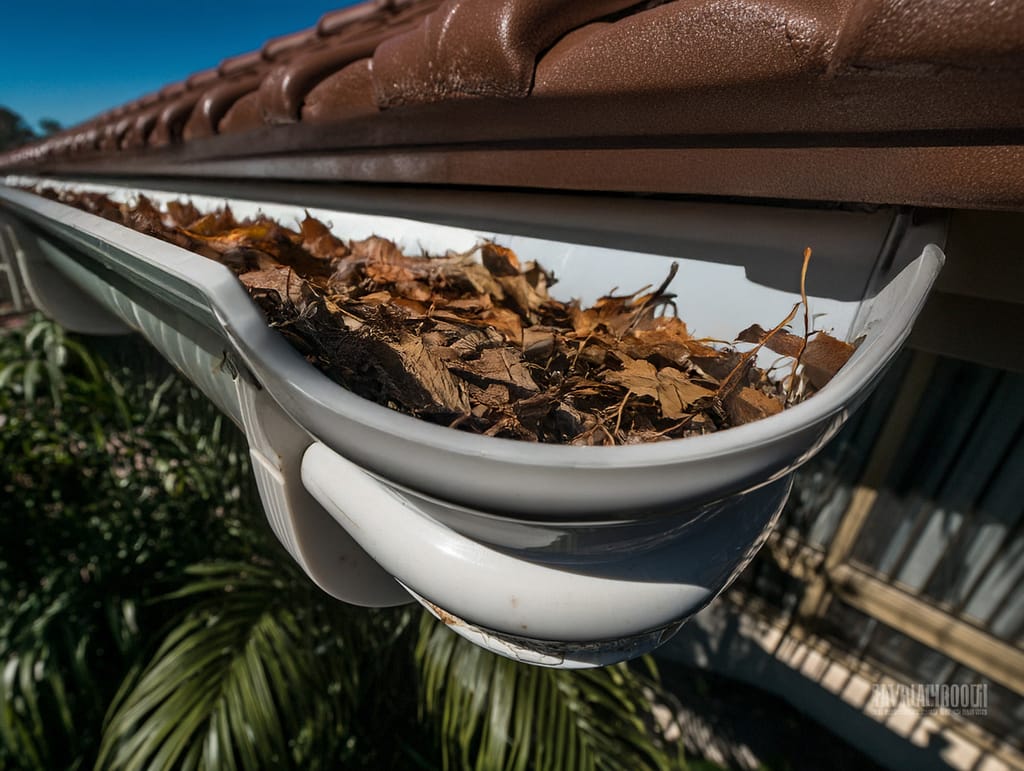
In Perth’s hot, dry summers and mild, wet winters, your gutters work hard.
They shuttle stormwater away from your roof, walls, and foundations, protecting your home from leaks, rot, and costly structural damage. Yet they’re often “out of sight, out of mind” until something goes wrong.
This guide is a customer-first reference on gutter maintenance; what to check, how often, what you can DIY safely, and when to call a professional.
Our goal is to help you stay ahead of problems and extend the life of your guttering.
Why Mainting your gutters Matters in Perth
- Heat and UV: Perth’s sun can warp, fade, and embrittle lower-quality plastics and degrade paint and sealants. Metal gutters can expand and contract, loosening fixings over time.
- Summer debris, winter rain: Dry summers drop leaves and dust into gutters; then the first winter rains compact that debris into heavy sludge that clogs outlets and downpipes.
- Pests and bushfire risk: Dry organic matter in gutters attracts pests and can be a bushfire hazard in at-risk areas.
- Water management: Well-maintained gutters reduce overflow, protect fascia and eaves, and move water to downpipes and soakwells efficiently.
How Often Should You Do Gutter Maintenance?
- Visual check: Once per month during summer and after windy days.
- Clean-outs: 2–4 times per year; early autumn (before winter rains) and late spring are the big ones.
- After events: Clean and inspect after storms, strong easterlies, or heavy leaf drop.
- Professional inspection: Annually if you have tall roofs, box gutters, complex rooflines, or trees overhanging your home.
Safety First
- Height and access: If you’re not comfortable on ladders or you have a two-storey home, don’t risk it—use a professional.
- Ladder setup: Use a stable ladder on level ground. Secure it and maintain three points of contact.
- Electrical hazards: Keep well clear of power lines. If in doubt, call Western Power or a licensed electrician.
- Personal protection: Wear gloves, safety glasses, and long sleeves. Debris can contain sharp screws, nails, glass, and animal droppings.
- Roof safety: Walk only where it’s safe. Avoid fragile tiles and sheet laps. Never work on wet or windy days.
DIY Gutter Maintenance: Step-by-Step
- Clear loose debris
- Tools: Scoop, small garden trowel, or gutter cleaning tool; bucket; soft brush.
- Method: Start near the high points and work toward downpipes. Avoid forcing debris into outlets.
- Flush the system
- Use a garden hose with moderate pressure. Start at the end furthest from the downpipe.
- Check for steady flow out of each downpipe. Slow trickles usually mean partial blockages.
- Unblock downpipes
- Remove the downpipe elbow or leaf strainers if fitted; clear by hand.
- Use a plumber’s snake or a straightened coat hanger gently from the bottom up.
- For stubborn clogs, a drain cleaning hose attachment can help. Avoid excessive pressure that could blow joints apart.
- Inspect as you go
- Sagging or ponding: Water should not sit in the gutter. Ponding encourages rust and mosquitoes.
- Loose brackets: Spacings are typically 600–1200 mm depending on profile and material. Tighten or replace where needed.
- Sealant and joints: Look for dried, cracked, or separated joins. Reseal with exterior-grade gutter sealant.
- Rust and corrosion: Surface rust on steel? Sand, treat with rust converter/primer, and repaint. Pitting or holes require patching or replacement sections.
- Paint and coating: Flaking or chalky paint can accelerate corrosion. Consider touch-ups with compatible coatings.
- Fascia and timber: Check for rot, peeling paint, or moisture staining.
- Check falls and alignment
- Gutters need a slight fall toward downpipes (about 1:500 to 1:1000). Use a level or observe water flow during flushing.
- Persistent ponding may mean re-hanging a section or replacing sagged lengths.
- Test overflow pathways
- In heavy Perth downpours, gutters can overtop. Ensure overflow slots (if present) are clear so water spills outward, not back into eaves.
- Inspect box gutters and sumps carefully; keep them spotless and check overflows.
Preventative Tips to Reduce Maintenance
- Trim overhanging branches: Less leaf litter equals fewer blockages and less bushfire risk.
- Install leaf guards or strainers: Mesh guards reduce debris but still require periodic cleaning. Choose a product compatible with your gutter profile.
- Fit larger-capacity gutters and extra downpipes: In high-rainfall bursts, larger quarter-round or high-capacity profiles with adequate outlets handle flow better.
- Add leaf diverters on downpipes: Simple strainers at the top or diverters mid-run can keep outlets clear.
- Maintain soakwells: Clear silt and ensure adequate capacity so downpipes discharge freely without backing up.
- Ventilate the roof cavity: Whirlybirds and vents help reduce heat load, prolonging sealants and coatings.
Seasonal Gutter Maintenance Checklist (Perth)
- Late spring:
- Full clean and flush after spring winds.
- Inspect sealants before summer heat hardens them.
- Clear any nesting material from birds/wasps.
- Mid to late summer:
- Quick visual checks for debris, warping, or UV damage.
- Ensure any bushfire-prone areas have clear, clean gutters.
- Early autumn:
- Major clean before winter rains.
- Check falls, brackets, and joint seals; repair now to avoid leaks in June/July.
- Inspect downpipe connections to soakwells or stormwater drains.
- Mid-winter:
- Spot-check after the first heavy downpour.
- If you see overflow, investigate immediately—likely a blocked outlet or insufficient fall.
Signs You Need Professional Help
- Repeated overflow despite cleaning: Could be undersized gutters, few downpipes, or incorrect falls.
- Persistent leaks at joints: Sealant failure or movement in the fascia may require re-hanging sections.
- Significant rust, holes, or peeling coatings: Replacement often beats patching for long-term reliability.
- Sagging fascia or rotten eaves: Address structural timber before reattaching gutters.
- Complex roofs and box gutters: These demand precise gradients and sumps—best done by specialists.
- Safety concerns: Double-storey homes, steep pitches, slippery patios, or proximity to power lines.
Common Gutter Maintenance Mistakes to Avoid
- Using high-pressure washers up close: Can force water behind flashings or damage coatings and seals.
- Pushing debris into downpipes: It compacts and causes blockages you can’t see.
- Ignoring small drips: Minor leaks escalate quickly, staining walls and rotting timber.
- Mixing incompatible metals: For example, copper in contact with zincalume can cause galvanic corrosion.
- Neglecting downpipe shoes and dispersal: Splashing at the base can undermine paving and foundations—extend to soakwells or drains properly.
Materials and Profiles: What Lasts in Perth
- Colorbond/Fielders Bluescope steel: Durable and UV stable with the right coatings; excellent value for Perth’s climate. Keep edges paint-intact and clean to prevent corrosion.
- Aluminium: Corrosion-resistant and lightweight; avoid contact with dissimilar metals without isolation.
- PVC: Light and cost-effective but more susceptible to UV and heat movement; support adequately and inspect seals often.
- Popular profiles: Quarter-round (large capacity and easy to clean), squareline, and ogee. Larger profiles and bigger outlets help during intense downpours.
Bushfire-Aware Gutter Maintenance
- Keep gutters free of dry leaves, bark, and twigs—especially in summer.
- Consider metal leaf guards rather than plastic in high-heat or ember-prone areas.
- Seal gaps where embers might lodge; check valley gutters and roof-to-wall flashings.
- Have a pre-storm and pre-heatwave routine: quick clear-out and downpipe check.
Troubleshooting Quick Reference
- Overflow at the middle: Check for sagging, ponding, or blocked outlet upstream.
- Overflow at corners: Inspect mitre joints and ensure downpipe capacity is adequate.
- Water behind fascia: Possible backflow due to bent back flashing or blocked overflow slots.
- Drips at joints: Clean and dry, then reseal with exterior gutter sealant; replace worn screws with coated ones and rubber washers.
- Gurgling sounds in downpipes: Partial blockage or insufficient venting; clear obstruction and check for crushed elbows.
When Gutter Replacement Makes Sense
- More than 20–25% of the system is rusted or patched.
- Recurrent leaks despite resealing.
- Incorrect falls across multiple runs.
- You’re upgrading roof sheets or fascias anyway—doing gutters at the same time can save scaffolding and labour.
Keeping Records Helps
- Take photos before and after cleans.
- Note dates, problem spots, and any repairs made.
- This helps spot recurring issues and informs future maintenance or upgrade decisions.
Final Thought
Regular, thoughtful gutter maintenance is one of the most cost-effective ways to protect your Perth home. A clean, correctly graded system with clear downpipes and well-maintained sealants will handle our sudden winter downpours and endure our summer sun. Whether you DIY or bring in a professional for the tricky bits, staying proactive will extend gutter life, reduce call-outs, and keep your home dry, safe, and looking its best.
If you’d like a sanity check on what you’re seeing at your place, take a few photos and notes after your next clean. That quick record can make troubleshooting faster the next time heavy rain rolls through.
